T-minus to liftoff: the next Saturday market report Every Saturday morning — realized sales and notable listings across nine vintage references.
00hrs: 00min: 00sec
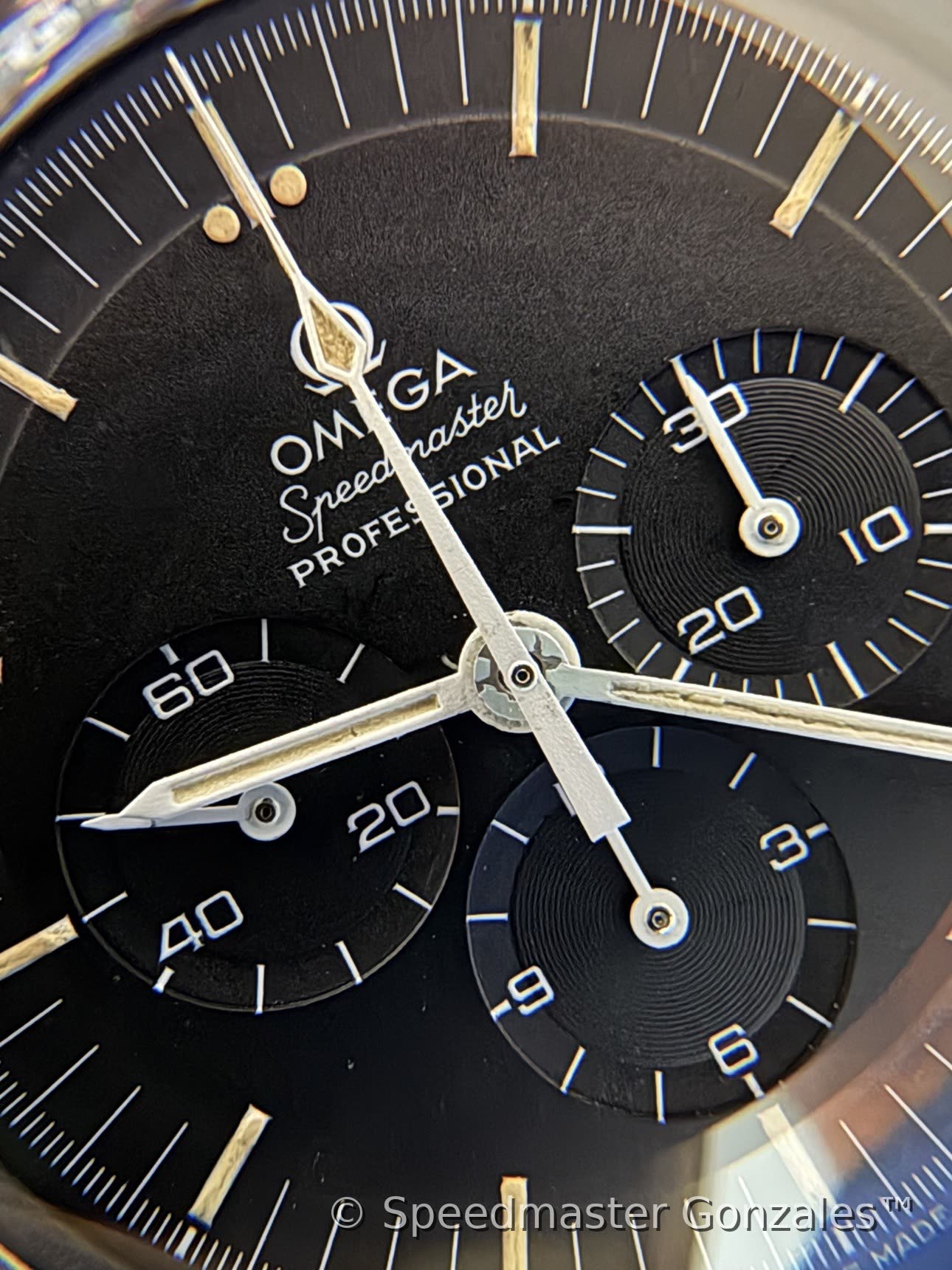
The Collector
The Moonwatch, studied properly — my working journal of the Omega Speedmaster: history, references, market data, and the occasional piece finding a new wrist. Not affiliated with Omega SA or the Swatch Group.
A tool, not a trophy — the watch that went to the Moon and brought its men home.
Five long-form guides, quick Moonwatch tidbits, a mission-by-mission photo archive, price trends across nine references, and two market dispatches every Saturday — every claim built to be checked, every price labeled asking or realized.

This week
Fresh from the deskFree every Saturday
The Saturday dispatch
The Vintage Moonwatch Market Report in your inbox every Saturday evening — plus the occasional notable find. No noise, no spam.
Reference explorer
The Star Chart
Drill down by movement, era, or mission — or answer five questions about the watch in your hand — and land in the right reference box.
The membership
The story is public. The intelligence is members’.
Inside the bubble: the full Price Drops board, rebuilt every night · the realized-price archive — verified sales, each with its source · the full Price Trends history for all nine references · the Weekly Market Report in full, every Saturday.
Nine references, swept nightly — 1,620 listings tracked at the November 6 close. The list is free to join; joining is the lobby. The membership: $19/mo · $200/yr for this desk — or the House Pass, every desk in the house, $49/mo · $490/yr.
Market Analysis
Two dispatches, every Saturday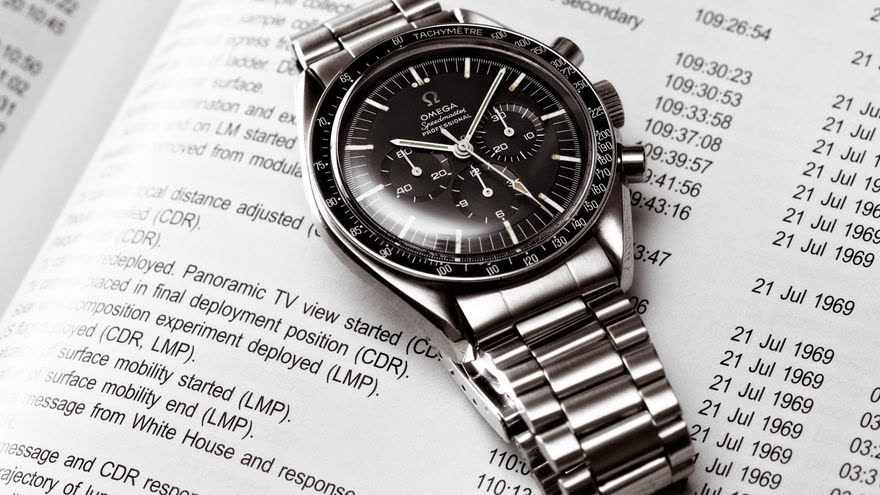
The Glass Case — what’s asking nowWhat sellers are asking across nine vintage references — checked by hand every Saturday morning. Asking isn’t selling.
See the Glass Case →
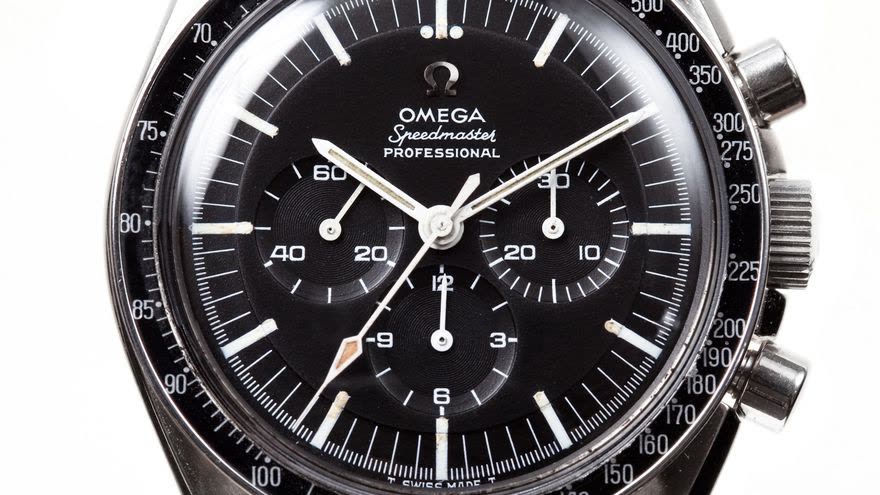
The Speedmaster Gonzales™ Vintage Moonwatch Market ReportOne verifiable realized sale across all nine references, November 1–7: a 1966 105.012-66 hammered at €5,500 on Catawiki on November 4 (13 bids, well under its €8,500–€9,400 estimate) — a soft print for the Moonwatch reference on the eve of Geneva week. The marquee season opens today: Phillips Geneva XXIV runs November 7–8 with no results published at report time, and Christie's (November 9) and Sotheby's (November 8) fall outside this window. Asking medians mostly held or eased on mix — the 145.022-68 ticked up to $10,300 while CK 2998 and the 105.002 eased on thinner, rotated samples.
Browse the archive →
Price Trends — the line, not the noiseMedian asking prices across the nine vintage references, one new point every Saturday — the line that shows where the market is actually moving.
See the trends →
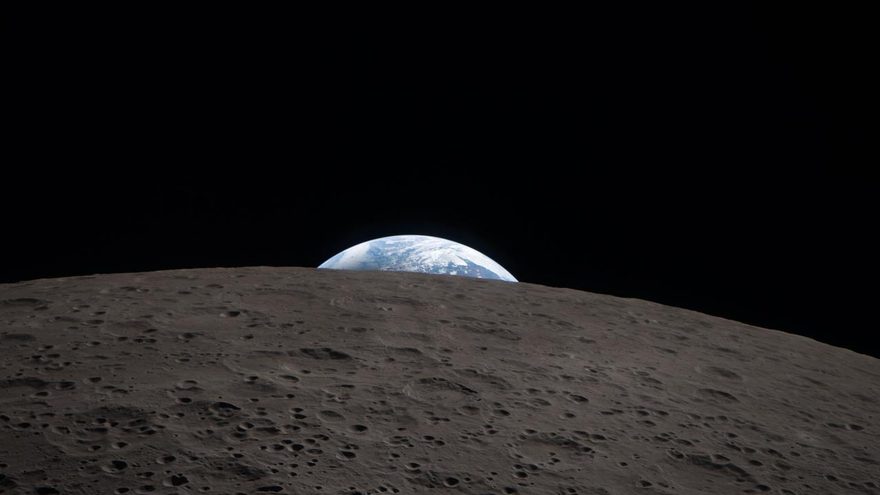
Price Drops — who’s blinkingAsking-price cuts across the nine vintage references, tracked nightly. When a seller blinks, you’ll see it here.
See the drops →
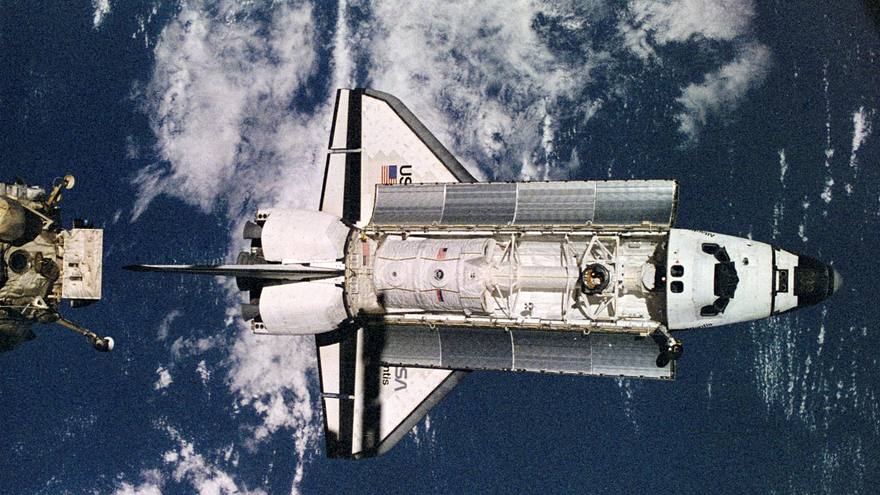
The Time Machine — the neo-vintage deskTrue vintage ends with the Moon generation. The Time Machine covers what came next — the Moonwatch from 1981 forward, every example at least 25 years old.
Enter the Time Machine →
Market data is published for information and education — never as investment advice. Asking prices are what sellers hope for; realized prices are what buyers actually paid. Neither predicts the future.
The Saturday Report. The week’s verified sales in your inbox every Saturday — free.
No noise, no spam. Unsubscribe anytime with one click.
The Circle. Fifty-seven places for the 1957 debut. Request your place →
Keep exploring
Where readers go nextRarities
The deep end · ten studiesBeyond the nine baseline references sits the deep end: prototypes, tributes, department-store oddities and anniversary pieces. Vintage is the baseline here — this is the alpha and the omega of it. Open the Rarities →
The Saturday dispatch
Newsletter · CommunityCollector's Toolkit
Free instrumentsEight free instruments for the vintage Speedmaster collector — date a movement, identify a dial, run NASA’s 1964 gauntlet, know the calibres, and get provenance right. No account, no cost.
The Journal
Six collector’s guides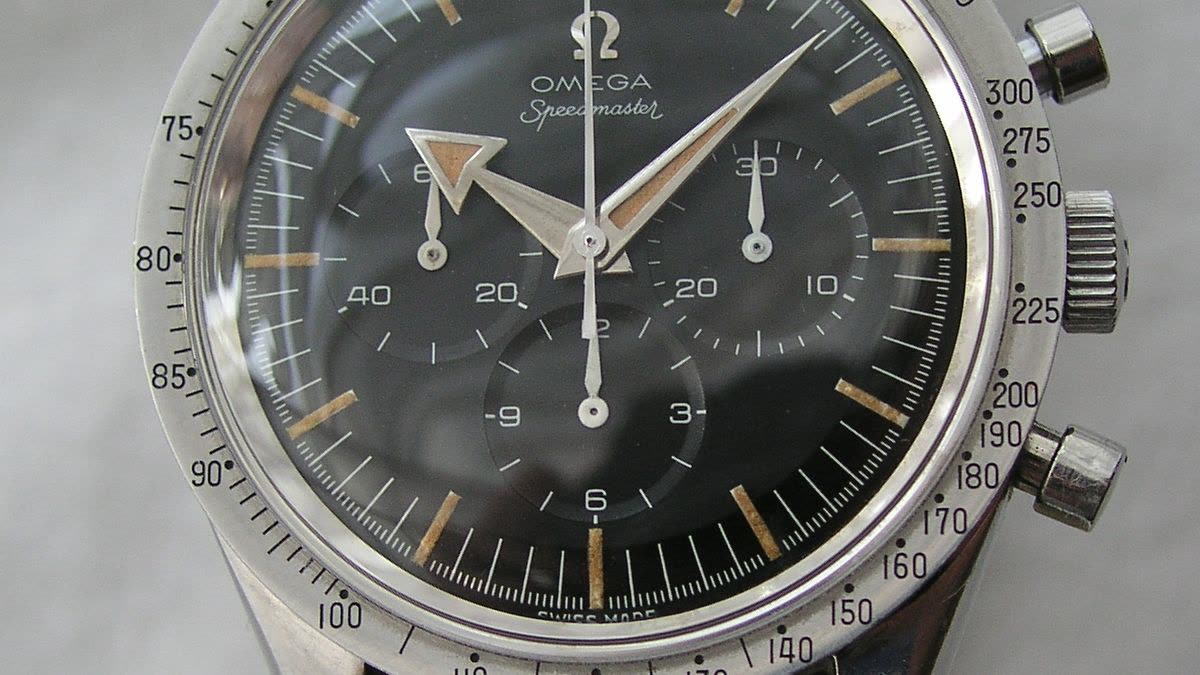 Article I · HistoryA line drawn to the MoonFrom the CK 2915 of 1957 to NASA qualification and the watches worn on the lunar surface.
The Speedmaster’s history is best understood through the references that carried it forward: first as a racing chronograph, then as privately chosen astronaut equipment, and finally as qualified flight hardware.
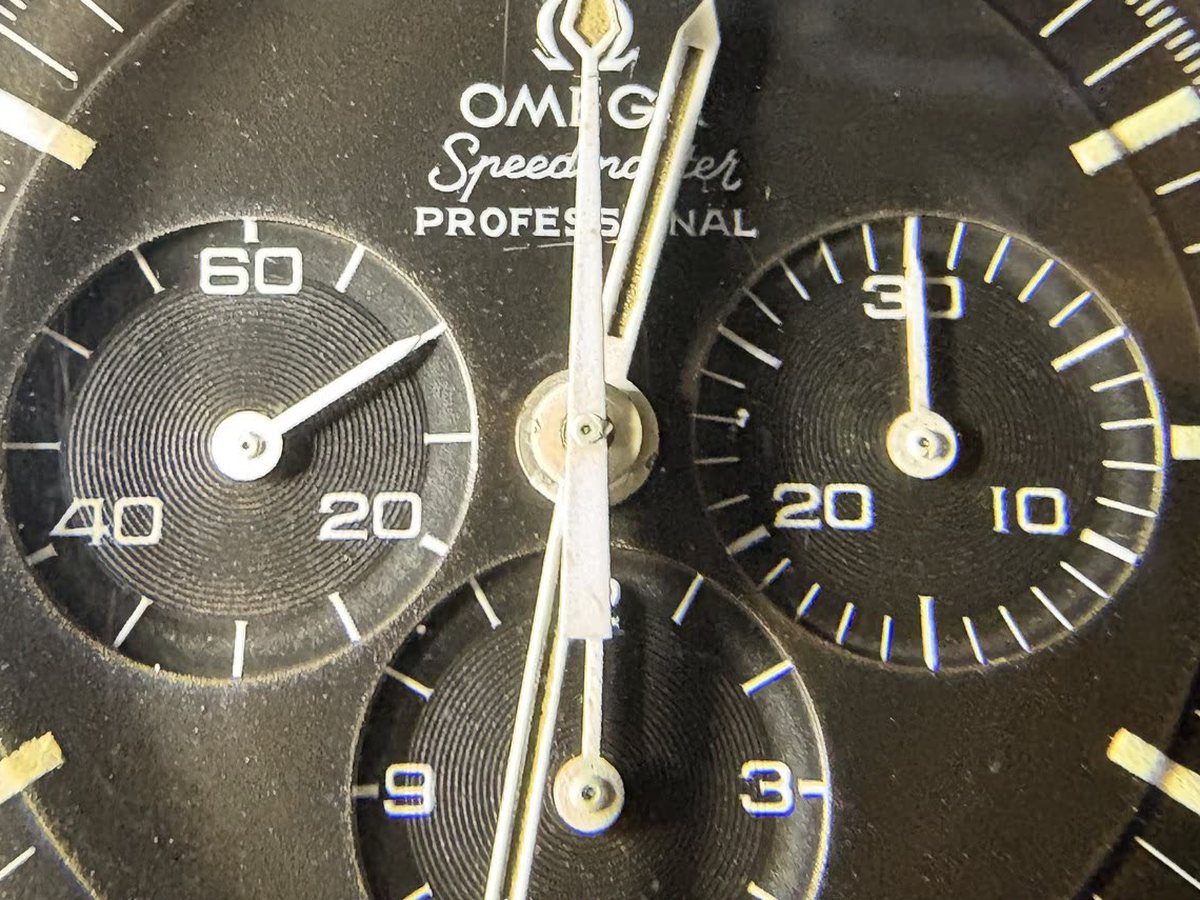 Article II · Reference guideThe Moonwatch, reference by referenceThe cases, calibres, dials and details that distinguish each important generation.
A collector’s field guide to the visual and mechanical changes that separate the earliest broad-arrow pieces from the calibre 861 era, the long-running 3570.50 and today’s calibre 3861.
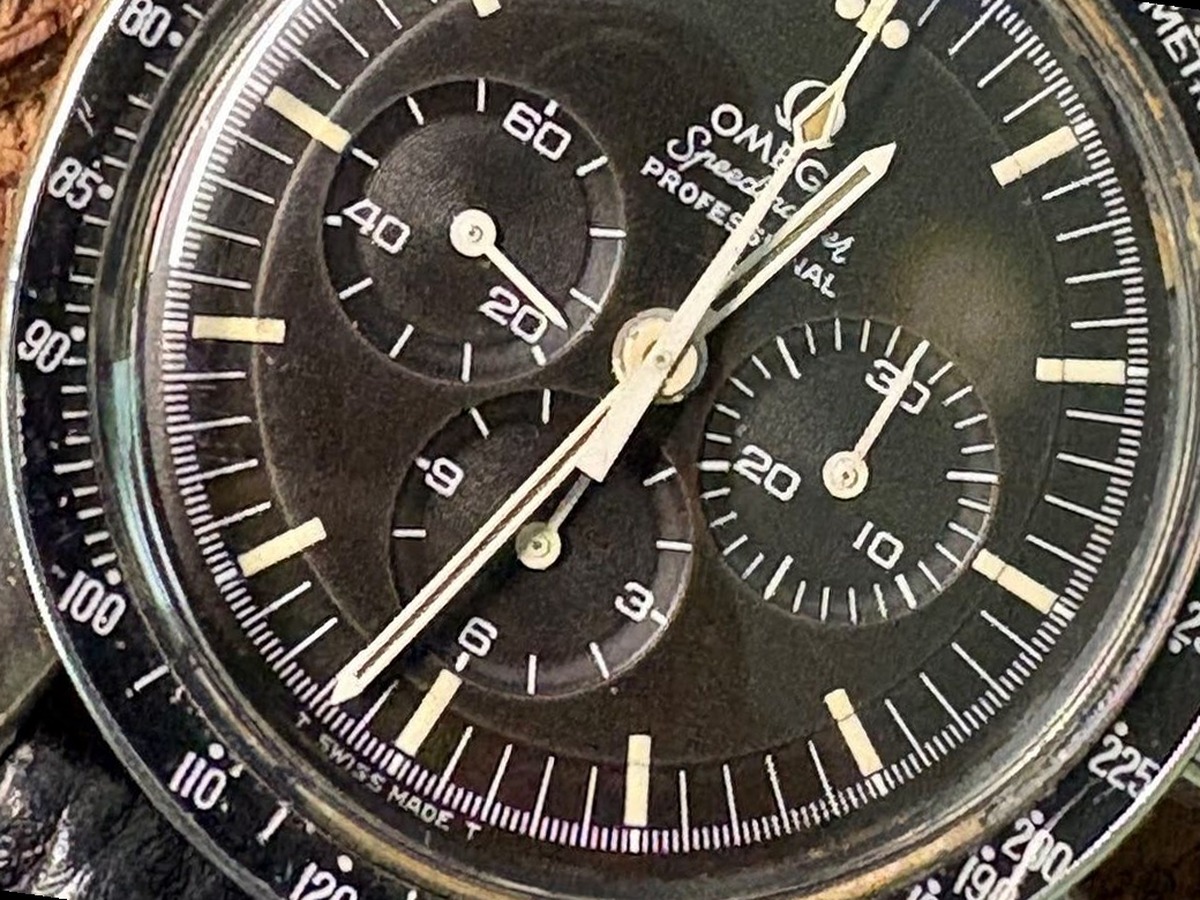 Article III · MarketReading the vintage marketHow condition, originality, provenance and venue shape value for buyers and sellers.
Asking prices are only one signal. This guide looks at realized sales, correct period components, service history and the reference-specific details that most often move value.
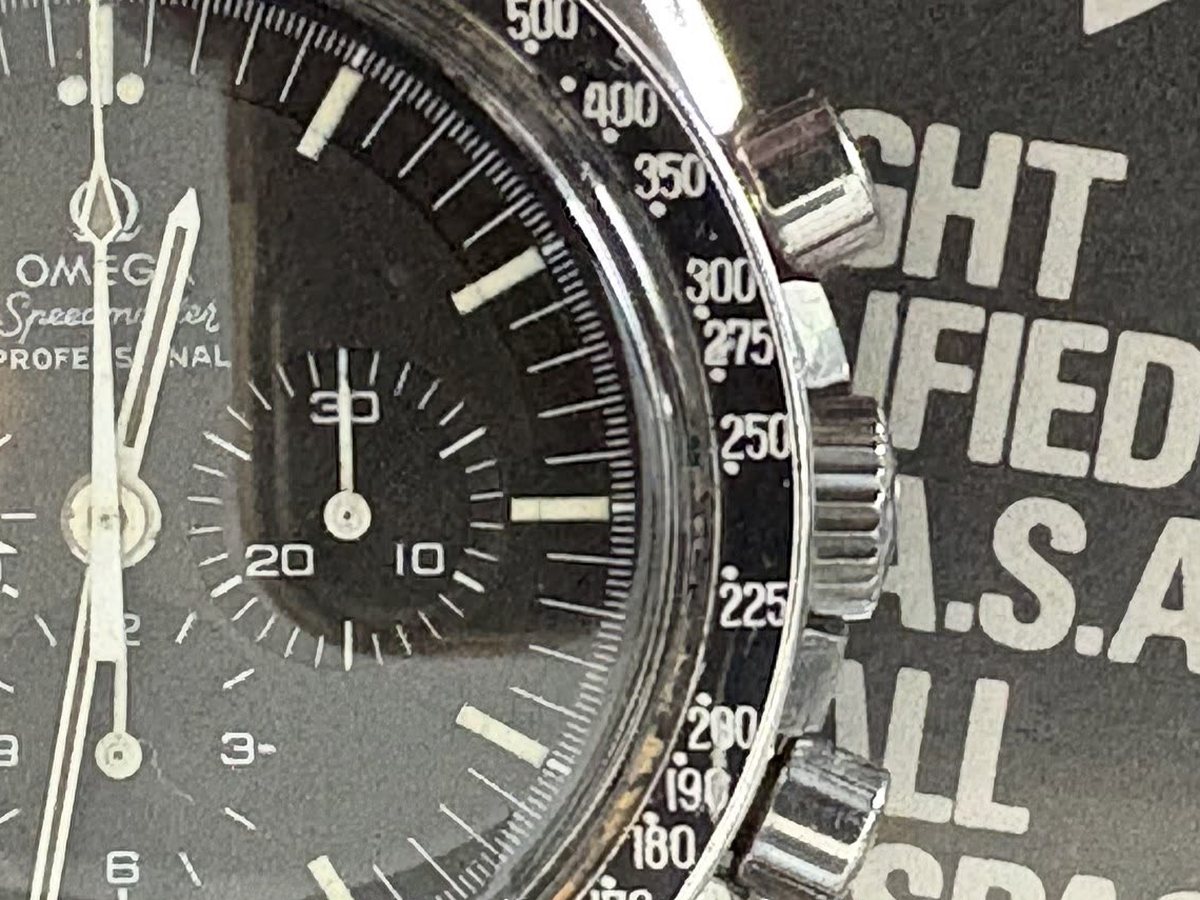 Article IV · OwnershipBuy well. Preserve better.Finding value, inspecting a candidate and maintaining a Speedmaster without erasing its history.
Practical notes on photographs, serials, service records, replacement parts, movement care and the line between thoughtful preservation and unnecessary restoration.
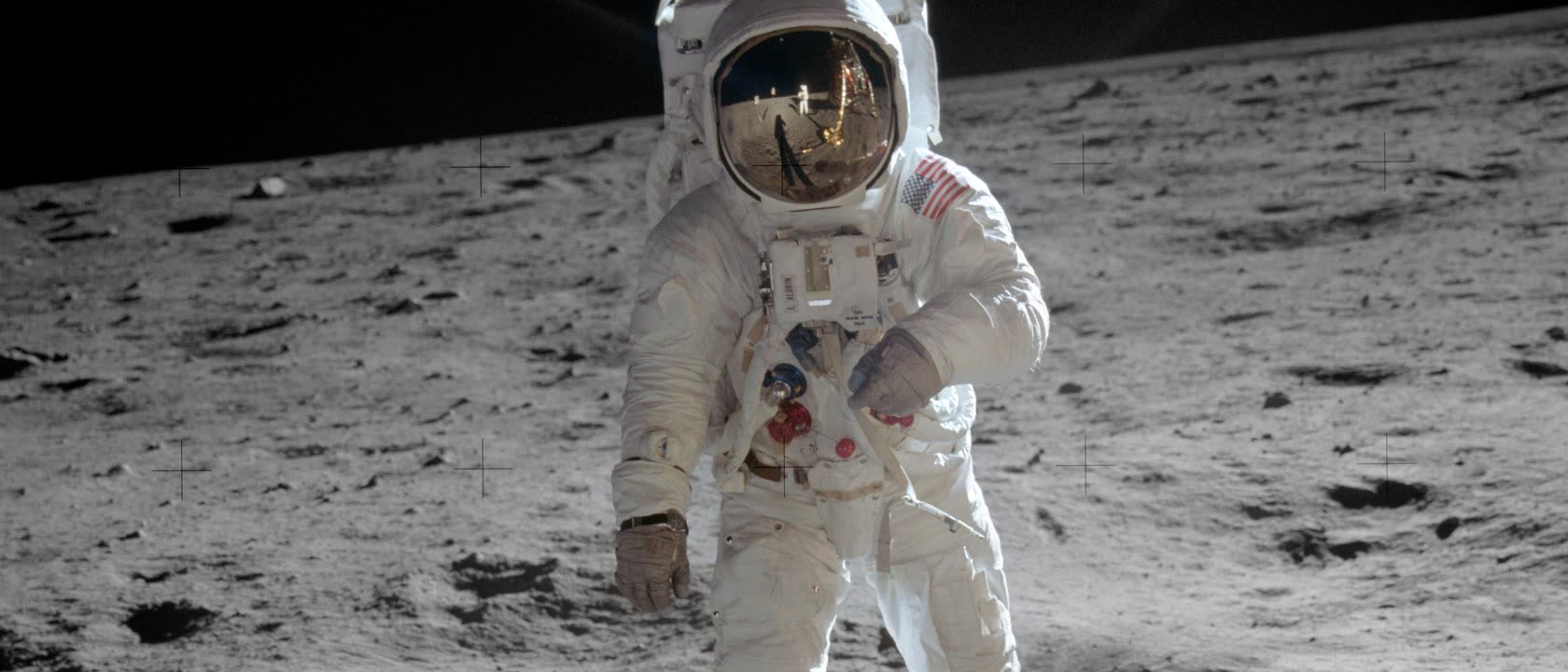 Article V · CuriosityThe Watch That Never Came HomeBuzz Aldrin's Speedmaster was the first watch worn on the Moon. Then, on its way to the Smithsonian, it vanished.
The verified story of the missing Moonwatch: what Aldrin's memoir says, the investigation that found nothing, the lawsuit that failed, and where the surviving flown Speedmasters can be seen today.
 Article VII · CuriosityLot 53: The $3.4 Million FrankenwatchThe record-breaking 1957 Broad Arrow that Omega bought for its museum — then denounced as a Frankenstein.
A 1957 Broad Arrow hammered at CHF 3,115,500 — the most expensive Omega ever sold at auction — bought by Omega for its own museum, then denounced by Omega as a Frankenstein. The record, the unravelling, and what archive papers can never prove.
 🎧 Also a 7-minute podcast episode — now on Spotify.
Membership
The Circle
Fifty-seven places for the 1957 debut. The Saturday numbers in full, the Morning Brief, first quiet word on occasionally available pieces, and the Collector's Library — for collectors who believe a watch is worth understanding before it is worth owning.
Moonwatch Tidbits
Quick studiesDid you know?
Short, sourced facts from the Speedmaster’s flight history — one card at a time.
The $82.50 space watch
NASA reportedly paid about $82.50 apiece for the chronographs it bought to qualify for spaceflight in 1964 — Corvette money, it was not.
Source: widely reported NASA procurement historyThe first Speedmaster in space wasn’t NASA’s
Wally Schirra wore his personal CK 2998 aboard Sigma 7 on October 3, 1962 — three years before NASA qualified the watch officially.
Source: NASA Mercury-Atlas 8 mission recordFourteen seconds, timed by hand
When Apollo 13’s crew needed a precise 14-second course-correction burn, Jack Swigert timed it on his Speedmaster. It worked.
Source: NASA Apollo 13 mission recordWhy hesalite, not sapphire
NASA specified an acrylic (hesalite) crystal: if struck, it wouldn’t shatter into free-floating shards inside the cabin. Safety, not luxury.
Source: NASA chronograph qualification criteriaThe last watch standing
Several brands’ chronographs entered NASA’s eleven-test qualification gauntlet in 1964–65. The Speedmaster was the only one to pass them all.
Source: NASA qualification test reportsSixty years ago
Gemini 11 launched on September 12, 1966 — Pete Conrad and Dick Gordon, with Speedmasters on their wrists for the record-altitude flight.
Source: NASA Gemini 11 mission recordThis week in Moonwatch history
Week of November 7, 2026.
The Saturn V flies for the first time
Apollo 4 lifts off from Pad 39A — the first all-up flight of the 363-foot Saturn V, all three stages together, generating 7.5 million pounds of thrust. Ten months after the Apollo 1 fire, the Moon rocket proves itself in a single 8-hour flight, and the road the Speedmasters would fly is open again.
Go deeper: Apollo 4, the first flight of the Saturn V — via NASA →Surveyor 6 touches down in the middle of the Moon
Three days after launch, Surveyor 6 soft-lands in Sinus Medii — the centre of the Moon’s visible face and one of the last candidate Apollo landing areas the Surveyor programme was sent to scout. The ground Apollo would aim for was being checked, landing site by landing site.
Go deeper: Surveyor 6 — via NASA →Columbia goes back to space
STS-2 launches Joe Engle and Richard Truly aboard Columbia — the first time a crewed, reusable orbital vehicle returns to space. The flight is cut from five days to two by a fuel-cell failure, yet still completes its first tests of the Canadarm. Reuse, not one-and-done, becomes the era the flight-qualified Speedmaster lineage flies into.
Go deeper: Columbia returns to space on STS-2 — via NASA →Myths vs facts
Lore is part of the hobby — but it’s worth knowing which stories hold up.
Myth
“Neil Armstrong wore his Speedmaster on the Moon.”
Armstrong’s 105.012 stayed aboard the Lunar Module as a backup timer. The watch worn on the lunar surface was Buzz Aldrin’s — the one that later went missing on its way to the Smithsonian.
Check it: Armstrong’s watch at the Smithsonian → · our episode “The Eagle Has Landed” →Myth
“The Ultraman was a special Speedmaster model.”
“Ultraman” is a collector nickname for certain 145.012 references with an orange chronograph seconds hand — named for the Japanese TV hero’s color scheme. Omega never made it an official model.
Check it: the 145.012 in our reference guide →Myth
“We know the missing Moonwatch’s serial number.”
Serial numbers for Aldrin’s watch circulate online, but none is verified. The identification of the missing watch as his flown piece is conventional, not certain — treat any published serial as unconfirmed.
Check it: our full investigation → · our episode “The Watch That Never Came Home” →The Reading Room
Week of November 5 picks — interesting reads from elsewhere on the web. We link; we don’t copy: the one-line summaries below are our own words, and every article belongs to its publisher.
Omega Discontinued the Speedmaster X-33: What’s Next?
Fratello reports that Omega has quietly removed the X-33 Marstimer — and the Skywalker before it — leaving no digital Speedmaster in the public catalog, even as NASA still issues the Gen 2 X-33 worn by the Artemis II crew; whether a fourth generation follows is the open question.
via Fratello Watches · read the article →NASA Shares Its Accelerated Path Back to the Moon
NASA sets out the sequence in full: Artemis III flies in 2027 as a 14-day Earth-orbit rehearsal, docking Orion with Blue Origin and SpaceX lander test articles in turn, before Artemis IV aims for the lunar surface in 2028 — with a new, lighter “Sortie” suit in development for the first moonwalks.
via NASA · read the article →A Cygnus Cargo Ship Will Carry James Lovell’s Name
Northrop Grumman has named its NG-25 Cygnus resupply spacecraft the S.S. James A. Lovell, honoring the Apollo 8 and Apollo 13 commander — the first person to fly to the Moon twice — as the enlarged Cygnus XL prepares to supply the station’s Expedition 75 crew.
via collectSPACE · read the article →Artemis II’s Commander Takes a Leadership Post at JPL
Reid Wiseman, who commanded Artemis II around the Moon in April, begins November 30 as a Caltech associate vice president and deputy director of NASA’s Jet Propulsion Laboratory — completing the Artemis II crew’s move from spaceflight to new posts on the ground.
via USA Today · read the article →Where to see them
The surviving flown Speedmasters, where they’re on display today. Loans rotate, so confirm before traveling — and the full story, including the one that never came home, is told in the Journal.
National Air and Space Museum — Washington, DC
The Destination Moon gallery holds three flown pieces in one room: Armstrong’s Apollo 11 backup-timer watch, Collins’s 145.012, and Gordon Cooper’s Gemini V Speedmaster. Most of the museum’s 63 astronaut chronographs live in storage.
via Destination Moon gallery → · Armstrong’s record → · Collins’s record →Kennedy Space Center Visitor Complex — Florida
Pete Conrad’s Apollo 12 Speedmaster — the third man on the Moon’s watch — has been shown in the Treasures Gallery in an Omega-supported exhibit, on loan from the Smithsonian. Call ahead before making the trip.
via Kennedy Space Center Visitor Complex →Omega Museum — Biel/Bienne, Switzerland
Cernan’s Apollo 17 watch — the last man on the Moon’s Speedmaster — remains on display, alongside the gold Apollo XI commemoratives presented to Nixon and Agnew. The museum acquired Evans’s Apollo 17 heat-flow-experiment watch at auction in 2015 and has shown Gordon’s Apollo 12 Speedmaster on loan from the Smithsonian; galleries rotate, so confirm before traveling.
via OMEGA Museum — hours & admission →From the vaults
The ones you can’t go see — flown Speedmasters in storage, out on loan, or back from the wilderness. Same rules: we link; we don’t copy, and every article belongs to its publisher.
The one in storage
Dave Scott wore this watch on his first two lunar spacewalks during Apollo 15, then NASA passed it to the museum in 1977. The collection record’s current verdict: not on display — on loan or in storage.
via National Air and Space Museum · collection record →The ones out on loan
How 50-plus flown Speedmasters ended up at the Smithsonian — and how Michael Collins once wore a watch he thought was his until the serial number said it was Neil Armstrong’s. A 2015 snapshot; the loan rotation has shifted since.
via Smithsonian Magazine · read the article →The one that was stolen — and came home
Donn Eisele’s Apollo 7 Speedmaster was stolen from a Quito museum in 1989, surfaced at a Florida watch show and on eBay, then came home in 2017 when someone surrendered it to the FBI in Houston.
via Space.com · read the article →The flight archive · 1962–1975
The watch, in its element.
Six chapters trace the Speedmaster from Schirra’s personal CK 2998 to the watches of Apollo–Soyuz. Open an era to see the missions, photographs, and reference families within it.
Preparing the archive…
Beyond the flight years: the Rarities — prototypes, tributes and oddities from the deep end of the collection. Go deeper →
The Screening Room
Fact & fiction · two ways to watchTwenty-nine public-domain films trace the arc from the Moonshot speech to Apollo–Soyuz — launches, spacewalks, and the lunar surface the Speedmaster was built for. And Hollywood’s Moonwatch: 28 films, 7 series and 2 documentaries of verified Speedmaster screen appearances. Enter the Screening Room →
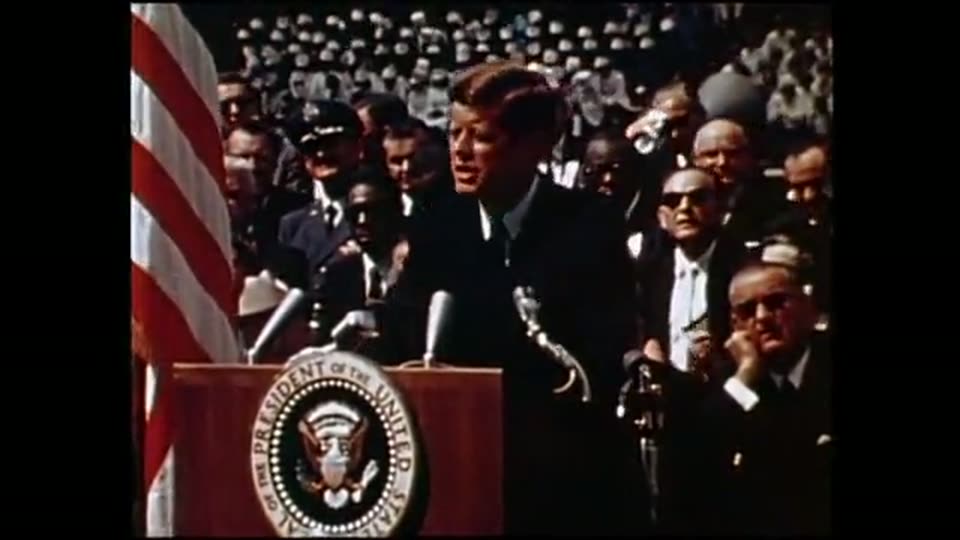 Screening Room · September 12, 1962“We choose to go to the Moon”The speech that set the clock — and gave the Speedmaster its destination.
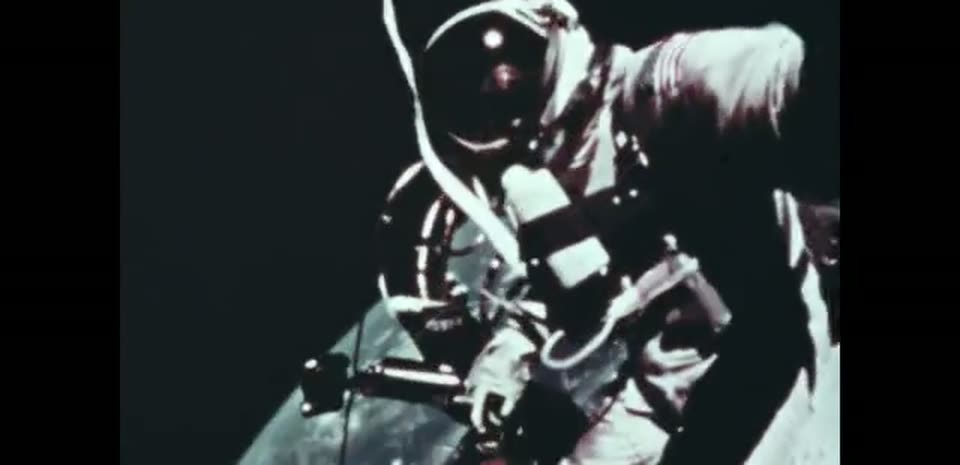 Screening Room · June 3, 1965Ed White’s spacewalkThe first American spacewalk, with a Speedmaster 105.003 on the wrist.
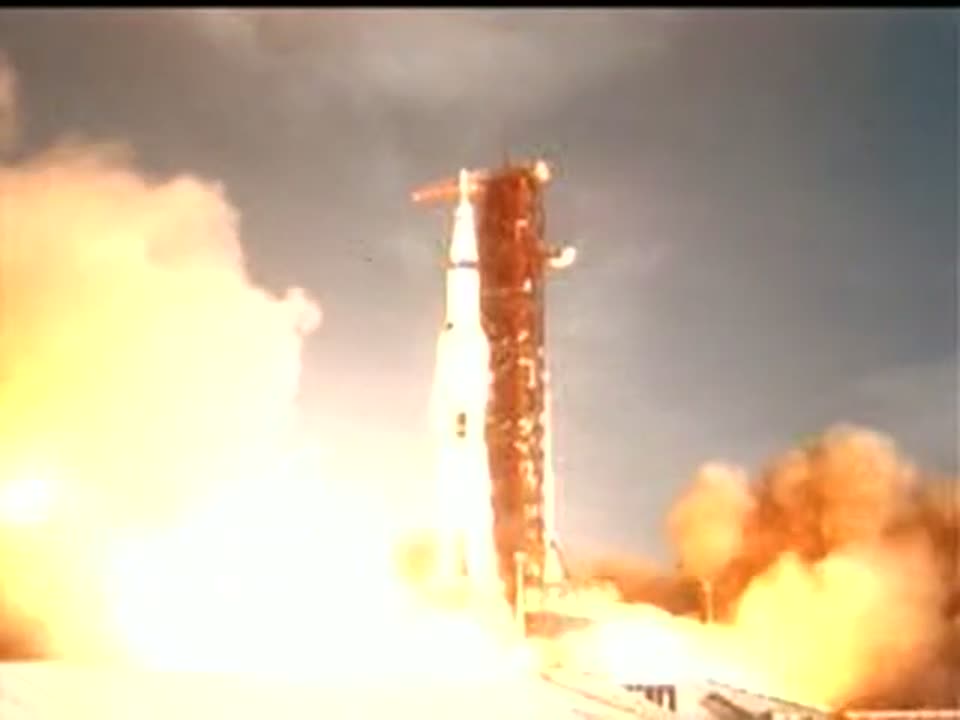 Screening Room · July 16, 1969Apollo 11 launchLiftoff from Pad 39A — eight days to the first watch on the Moon.
 Screening Room · FictionHollywood’s Moonwatch28 films, 7 TV series, 2 documentaries — the collector’s journey through every verified Speedmaster appearance on screen.
From the collection — occasionally available
Collector to CollectorPieces surface here from time to time, collector to collector. When it’s gone, it’s gone.
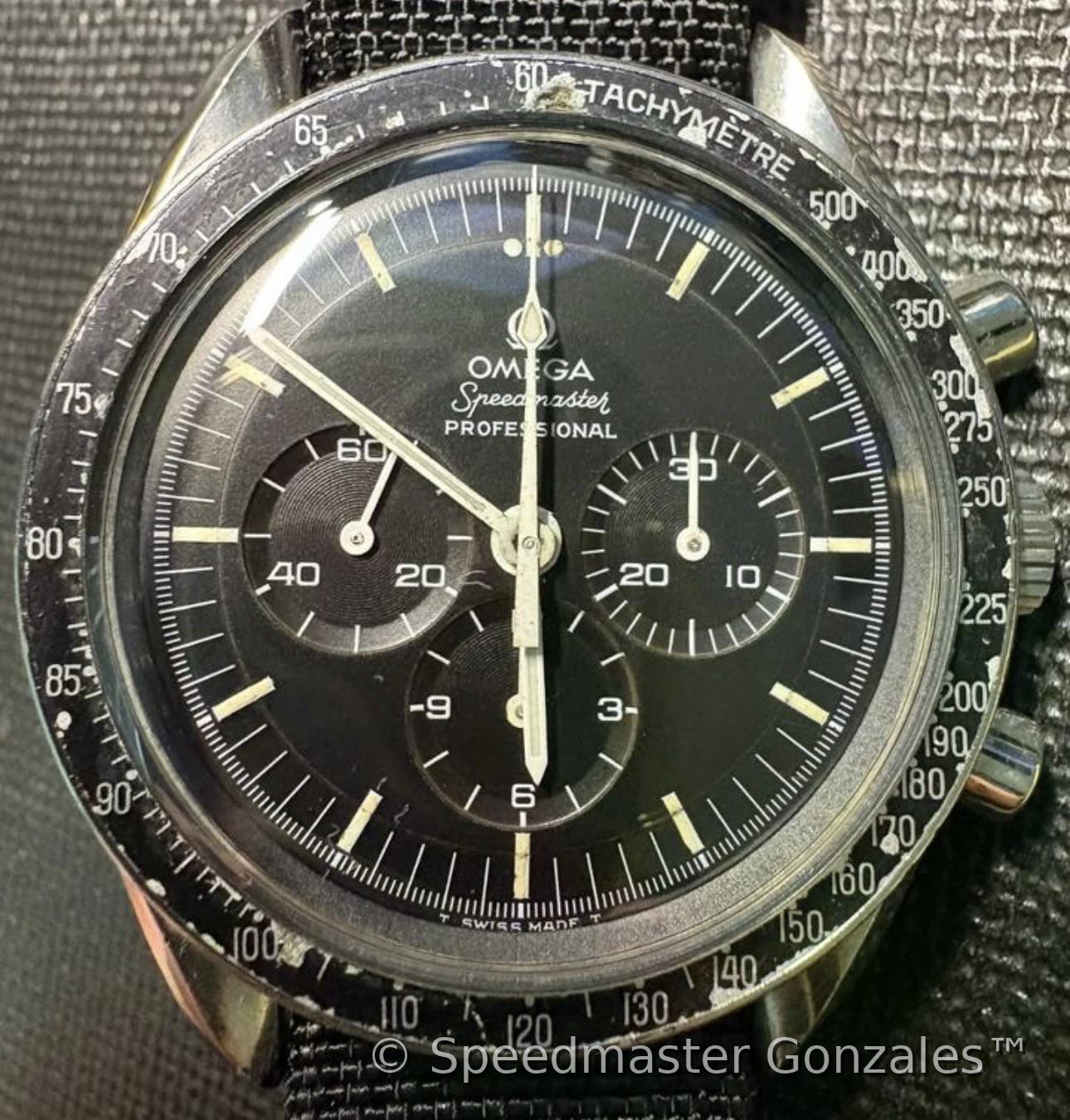 OMEGA SPEEDMASTER PROFESSIONAL145.022-69 ST “Pre-Moon”Serviced · DON bezel · Currently offered — view on Chrono24 ↗