The Journal
Collector’s guides to the Moonwatch — its history, its references, its market, its care, and the curiosities that keep the story alive. New entries appear here first, newest first.
All articles
11 articles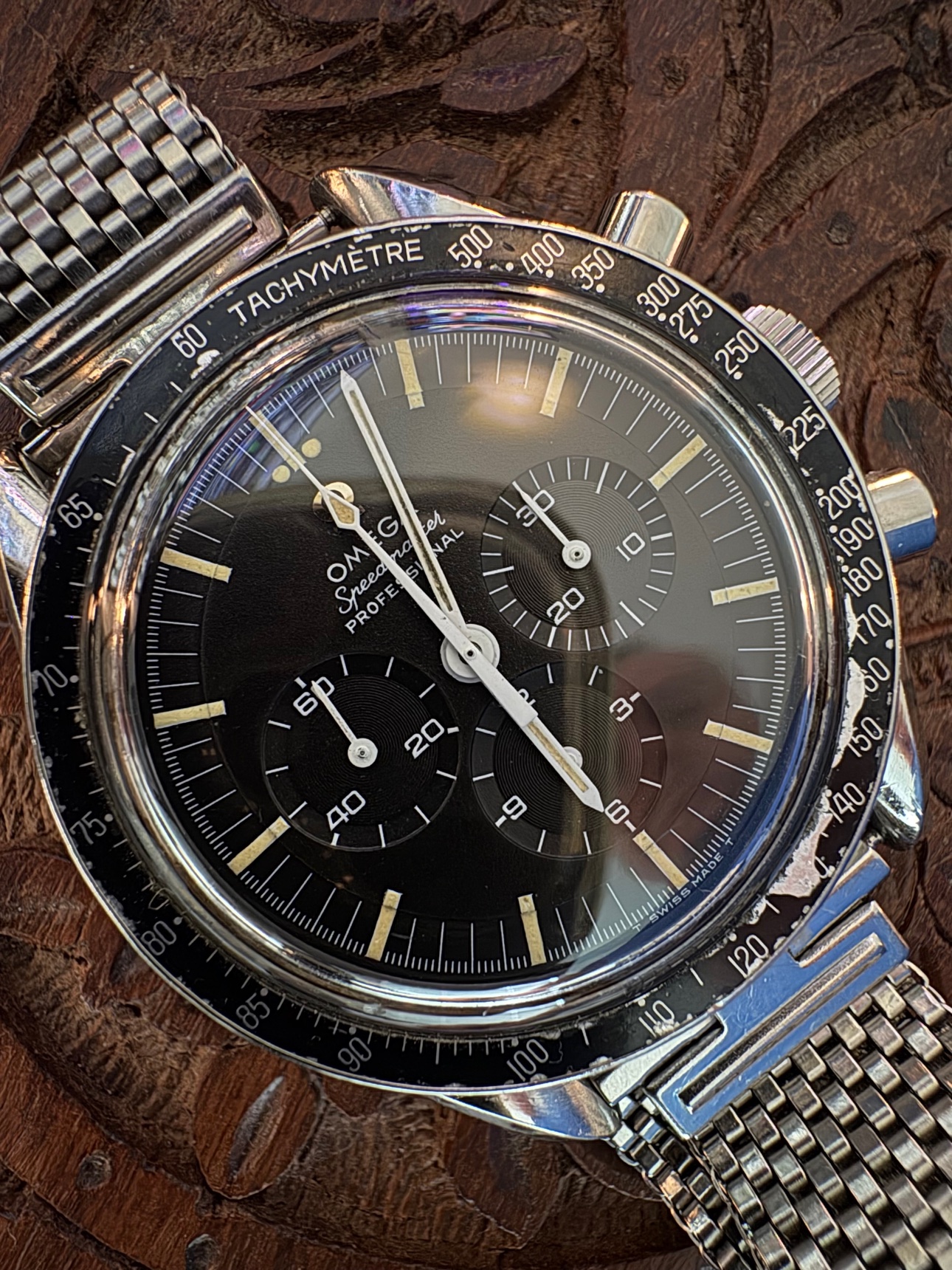 Article XI · On CollectingThe Temporary Permanence of the DigitalEverything we save now is saved forever, we are told — in the cloud, backed up, permanent. Then why does a letter in a drawer outlive the archive?
A theme piece on collecting itself: Marlowe asks the digital question and Arthur, the archivist, answers — information vs heirloom, access vs possession, and the rule of the drawer.
 Article X · Mission WatchThe Next Corps Is Being Chosen NowNASA has opened astronaut applications for the first time since 2024 — the class selected in late 2027 is the pool the Artemis lunar crews will be drawn from. Applications close Thursday, December 3.
NASA opened applications on November 7 for the class that will join the corps as America returns to the Moon and builds the Moon Base. The requirements, the December 3 deadline, and why an application window is a Mission Control story.
 Article IX · Mission WatchThe Base Will Be WaitingAnnounced at MAX POWER: CLPS 2, the PROMISE rover, and the contracting skeleton of NASA’s permanent Moon Base.
Announced at MAX POWER, in the middle of the weekend we spent covering it: NASA’s Moon Base stopped being a rendering and became a procurement. Eight companies, a nuclear rover, and a base that will be waiting when the astronauts arrive.
 Article VIII · Mission WatchThe Cape Is Becoming a DestinationMAX POWER at Kennedy: the next era’s hardware at eye level on the old shuttle strip — and Capeweek, a new annual expo, announced for 2028.
A destination is not a feed. This weekend the Cape becomes a place you stand in — a Falcon 9 booster, a New Glenn upper stage and the X-59 on the old shuttle strip, the Artemis III crew in the parade — and Capeweek, a new annual aerospace expo, on the calendar for 2028.
 Article VII · CuriosityLot 53: The $3.4 Million FrankenwatchThe record-breaking 1957 Broad Arrow that Omega bought for its museum — then denounced as a Frankenstein.
A 1957 Broad Arrow hammered at CHF 3,115,500 — the most expensive Omega ever sold at auction — bought by Omega for its own museum, then denounced by Omega as a Frankenstein. The record, the unravelling, and what archive papers can never prove.
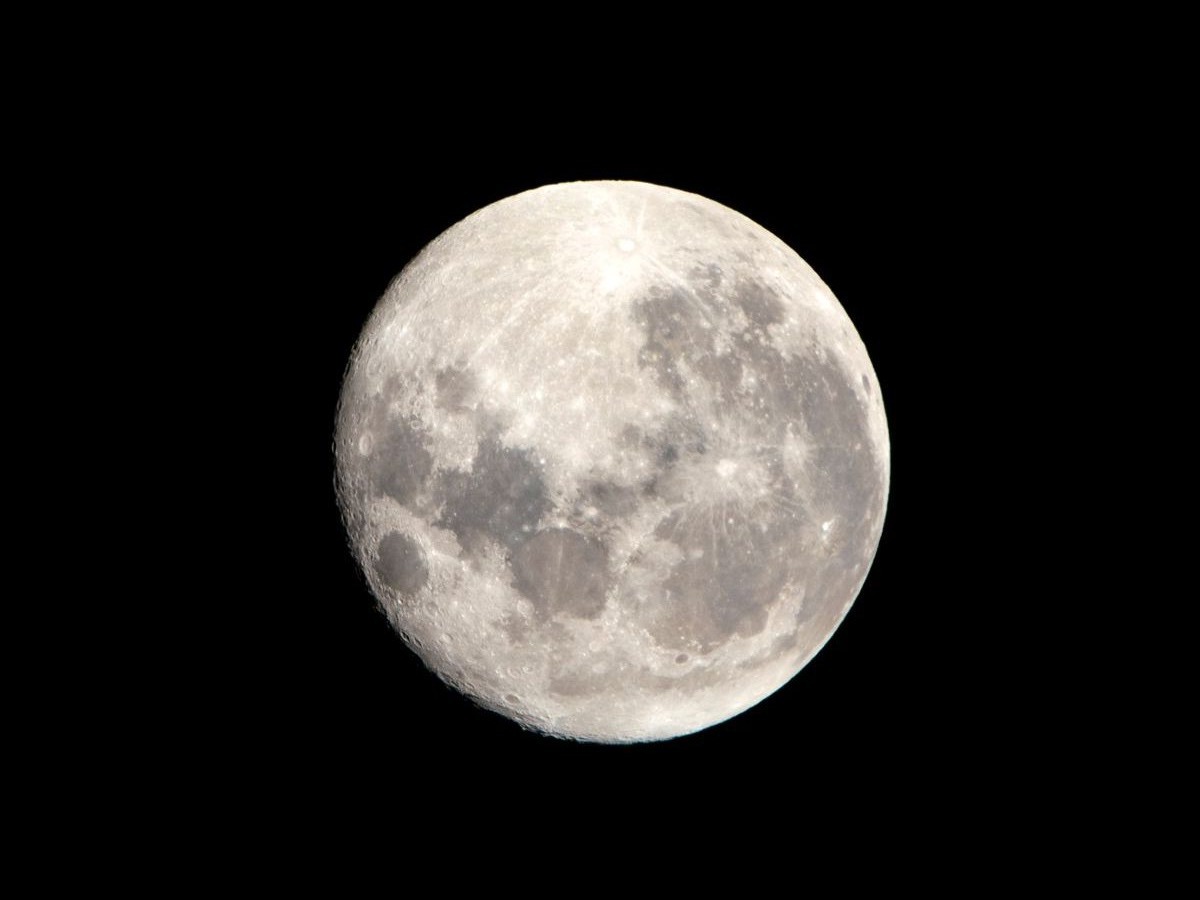 Article VI · ArtemisBack to the Moon, on timeOn April 1, 2026, four astronauts rode a free-return trajectory around the Moon — the first crewed lunar voyage in more than half a century — each wearing a Speedmaster. The story of Artemis II and the watches on the crew's wrists.
On April 1, 2026, four astronauts rode a free-return trajectory around the Moon — and the Speedmaster rode along. What the mission means for the Moonwatch story.
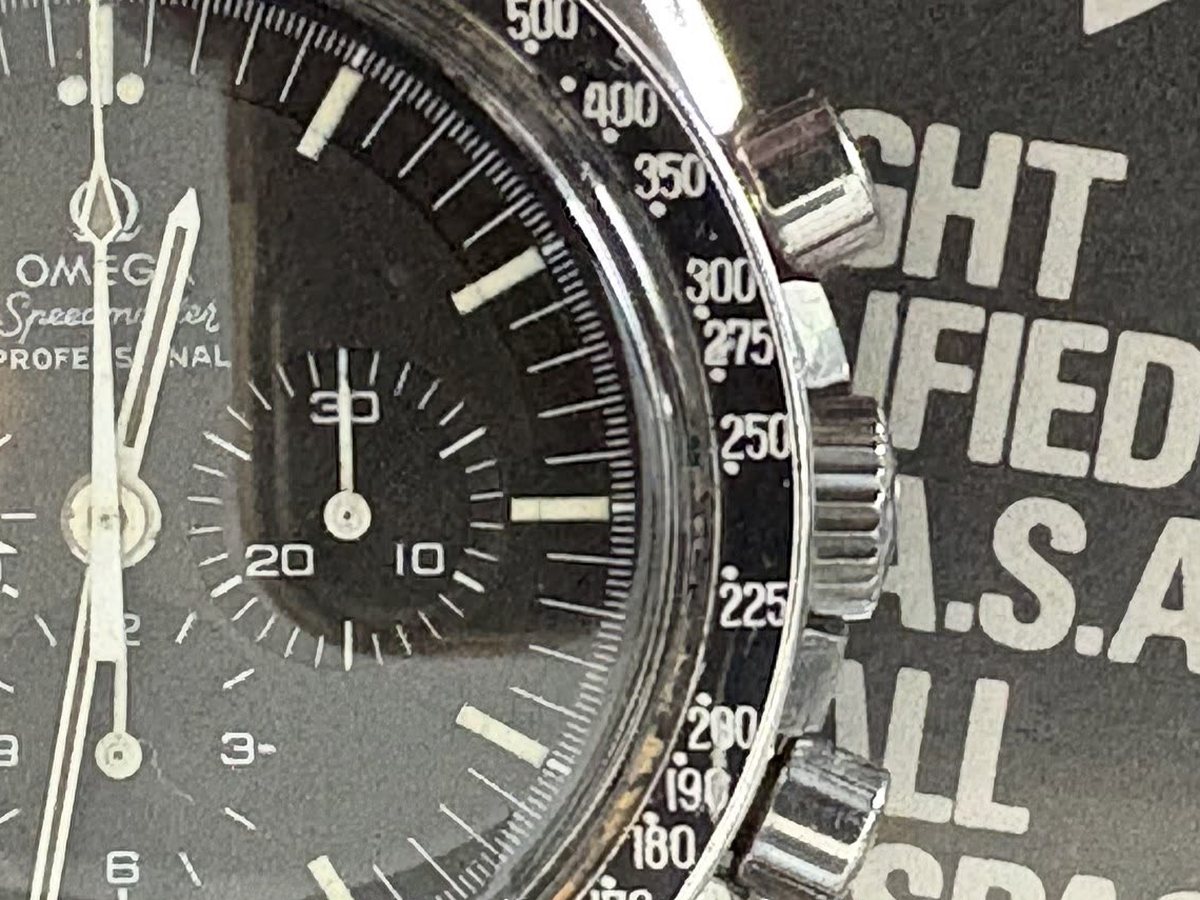 Article IV · OwnershipBuy well. Preserve better.Finding value, inspecting a candidate and maintaining a Speedmaster without erasing its history.
Practical notes on photographs, serials, service records, replacement parts, movement care and the line between thoughtful preservation and unnecessary restoration.
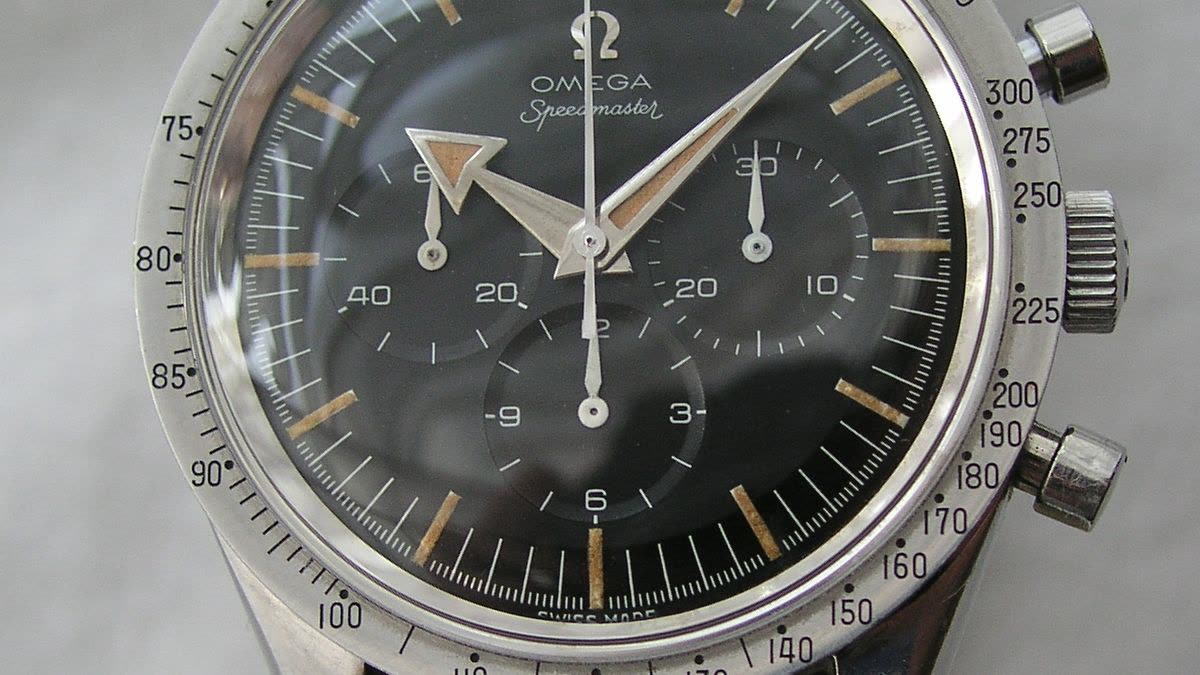 Article I · HistoryA line drawn to the MoonFrom the CK 2915 of 1957 to NASA qualification and the watches worn on the lunar surface.
The Speedmaster’s history is best understood through the references that carried it forward: first as a racing chronograph, then as privately chosen astronaut equipment, and finally as qualified flight hardware.
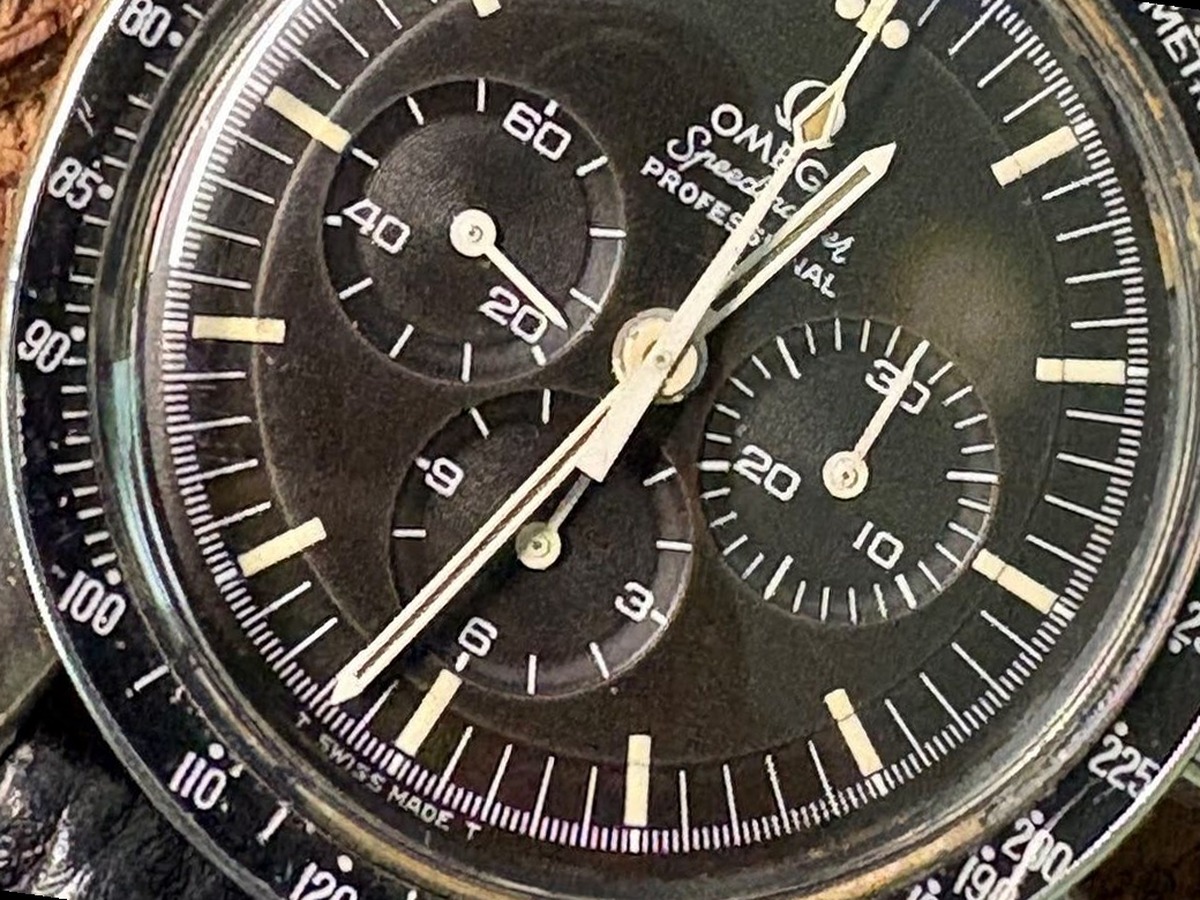 Article III · MarketReading the vintage marketHow condition, originality, provenance and venue shape value for buyers and sellers.
Asking prices are only one signal. This guide looks at realized sales, correct period components, service history and the reference-specific details that most often move value.
 Article V · CuriosityThe Watch That Never Came HomeBuzz Aldrin's Speedmaster was the first watch worn on the Moon. Then, on its way to the Smithsonian, it vanished. The verified story of the missing Moonwatch.
The verified story of the missing Moonwatch: what Aldrin’s memoir says, the investigation that found nothing, the lawsuit that failed, and where the surviving flown Speedmasters can be seen today.
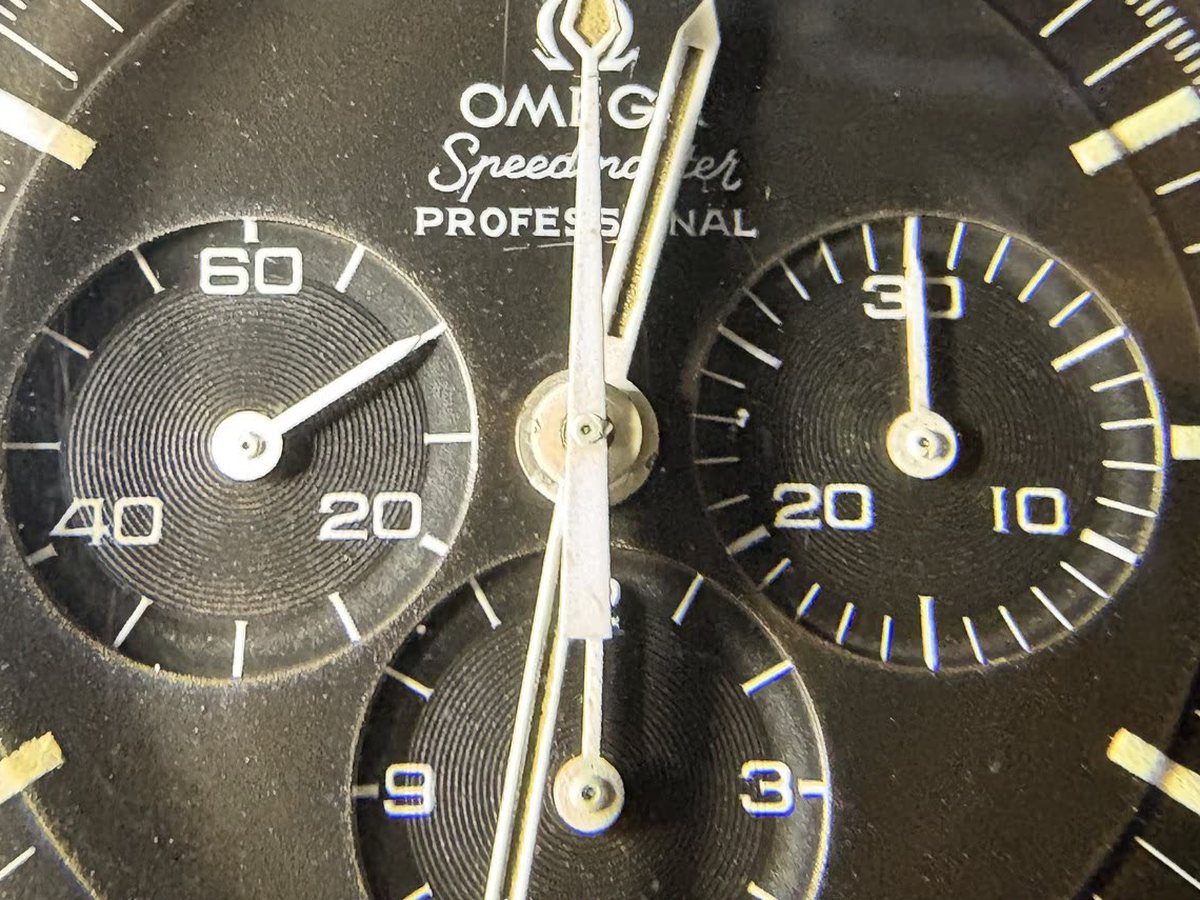 Article II · Reference guideThe Moonwatch, reference by referenceThe cases, calibres, dials and details that distinguish each important generation.
A collector’s field guide to the visual and mechanical changes that separate the earliest broad-arrow pieces from the calibre 861 era, the long-running 3570.50 and today’s calibre 3861.