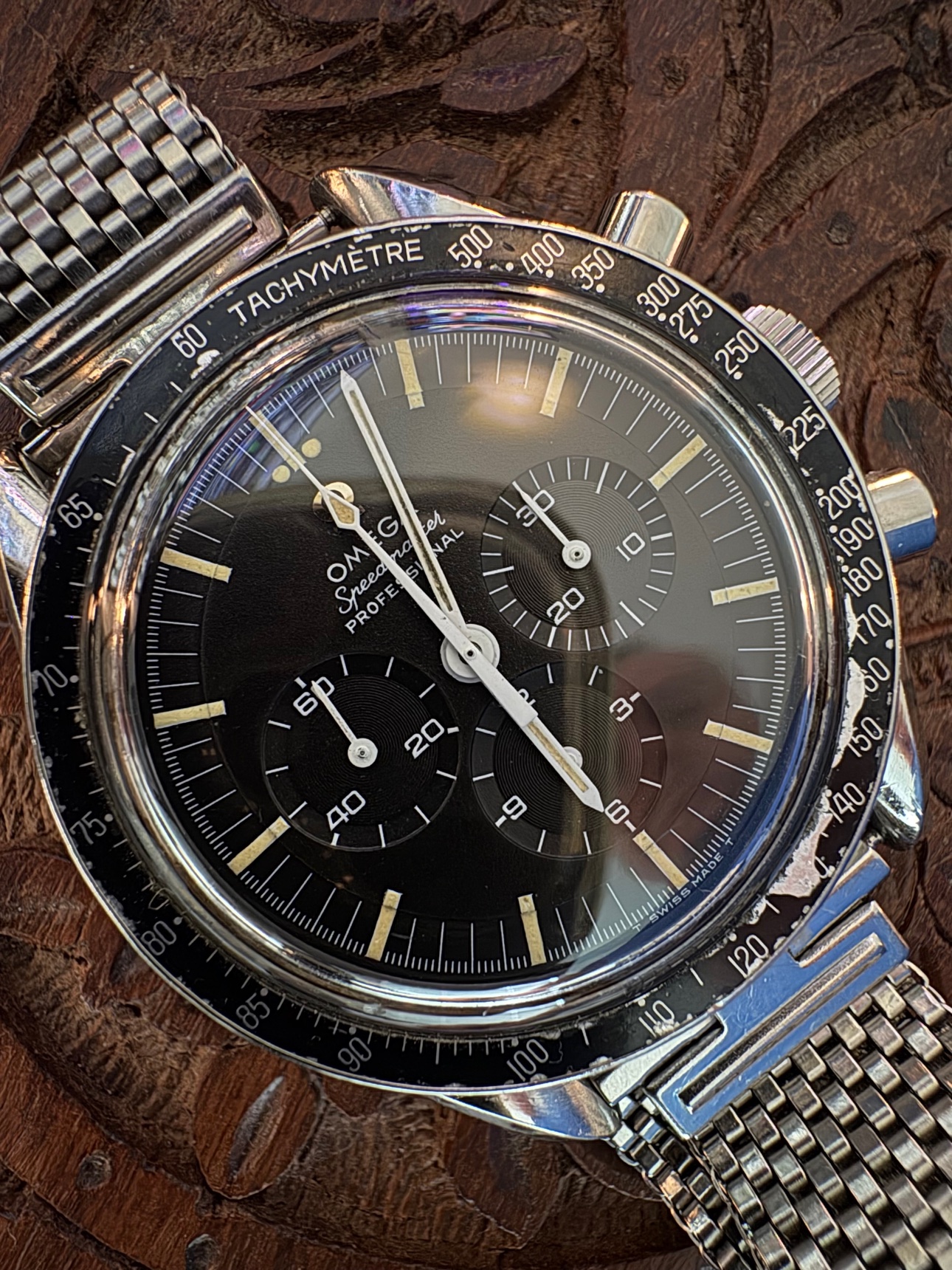
An exchange between Marlowe — who keeps everything in the cloud, backed up in three places, permanent — and Arthur, the archivist, who answers for the drawer.
MARLOWE: I keep everything, Arthur. Photographs, letters — well, messages — documents, all of it. It's backed up in three places. They tell me it's permanent. So why do I feel like I own less than my grandfather did, with his one drawer?
ARTHUR: Because your grandfather's drawer did not require permission to open. Yours does — a password, a subscription, a company still in business, a format still readable. What you own is access, Marlowe. Access is a lease. He owned the thing itself.
MARLOWE: But the thing itself burns, floods, fades. The copy can't burn. A thousand copies in a thousand places — surely that's more permanent, not less?
ARTHUR: A thousand copies of a file are permanent for exactly as long as every system that reads them survives. The copy is flawless and the medium is mortal. We have already buried more formats than any archive cares to count — cartridges, discs, drives, entire platforms where people's photographs went to be kept forever. Forever lasted about a decade. Meanwhile the letter survives by doing nothing at all. Paper asks only to be left alone.
MARLOWE: You're describing information as if it were fragile and paper as if it were immortal. Paper tears.
ARTHUR: Paper tears, and the tear becomes part of its record. That is precisely the difference. A digital file is information — identical everywhere, weightless, and when it corrupts it corrupts completely: all or nothing, the whole archive or the error message. An analog thing carries its history in its body. The foxed page, the worn corner, the handwriting that shakes a little more in the later letters. The object remembers being kept. The file only remembers being copied.
MARLOWE: Then collecting — real collecting — is just nostalgia with a budget? Wanting the drawer because the drawer feels warmer?
ARTHUR: No. Collecting is a decision about what survives you. The heirloom is not the most valuable thing in the house; it is the thing that can change hands without an instruction manual. A grandchild can pick up a letter and read it in a hundred years with no intermediary — no login, no legacy contact, no company's goodwill. Try handing down a password. What we call permanence in the digital world is a service level. What we call permanence in a drawer is a fact of physics.
MARLOWE: And yet you'd concede the digital does one thing the drawer can't. It can be found. Searchable, indexed, instant. My grandfather's drawer kept everything and could retrieve nothing on demand.
ARTHUR: Gladly conceded — that is the honest trade, and it is why this is an exchange and not an elegy. Digital is a magnificent librarian and a faithless heir. Use it to find, to copy, to send across the world in a second. But do not ask it to be the keeping. Keep the letter. Scan it, by all means — then put the letter back in the drawer.
MARLOWE: So the rule is: information wants to be digital, and heirlooms want to be things.
ARTHUR: The rule is older than either. What matters is kept twice — once where it can be found, and once where it can be held. The cloud will keep your information for as long as the cloud is paid. The drawer keeps the rest for free, in the dark, without ever once asking you to agree to new terms.
MARLOWE: The temporary permanence of the digital.
ARTHUR: And the permanent modesty of paper. It never promised to be forever. It simply is.
The film of this exchange — Marlowe and Arthur in voice, over scenes of the drawer — lives in the Media Room and on the house channels. Scenes in the film are AI-generated imagery, labeled as such wherever it appears; the closing photograph is Jorge's own, from the collection.